Smart Fridge Organization: Essential Tips to Keep Your Groceries Fresh Longer
We've all been there: you come home from grocery shopping, casually shove everything into the fridge, and a few days later, you're greeted by a pile of wilted or spoiled veggies. The reason things turn bad so quickly even when bought fresh usually boils down to improper storage. Building the right storage habits is the absolute best way to extend the shelf life of your groceries. Especially for households that stock up on a week's worth of food at once from the supermarket, the amount of food wasted due to poor storage habits is staggering. Because fruits and vegetables continue to respire and release moisture even after harvest, customized care tailored to each item's characteristics is essential. Simply tossing items into the fridge won't cut it—temperature, humidity, and airflow are the key factors that dictate how long your ingredients will last.
Understanding Hidden Temperature Zones in Your Fridge
Different areas inside your refrigerator have slight variations in temperature. Just figuring out these minor temperature differences can go a long way in preventing food spoilage.
The main compartments generally maintain a temperature of 1°C to 5°C (34°F to 41°F), making them ideal for dairy products and cooked foods. On the other hand, the bottom crisper drawer helps prevent moisture from escaping, making it perfect for leafy greens. The coldest zone, located at the very back, should be reserved for raw meat and fish to prevent cross-contamination.
A common mistake is storing eggs or milk in the door pockets for extended periods. Because the fridge door experiences the most temperature fluctuation from being opened and closed constantly, it's better suited for condiments and beverages rather than perishables. Also, if you pack the inside of your fridge past 70% capacity, cold air won't circulate properly, dropping the overall cooling efficiency. Leaving a little breathing room between your groceries is crucial.
Knowing Which Ingredients Belong at Room Temperature
Shoving every single ingredient into a cold place isn't always the answer. In fact, some items are sensitive to low temperatures and will actually lose their flavor and texture.
Potatoes, onions, tomatoes, and bananas easily bruise or experience starch breakdown when exposed to cold air. These items last much longer when kept in a well-ventilated, cool room-temperature spot.
For instance, putting potatoes in the fridge causes their starch to break down into sugars, which can produce harmful compounds when cooked and result in a mealy texture. Similarly, storing onions in a plastic bag at room temperature traps moisture and causes mold to grow rapidly; instead, they should be kept in a mesh bag and hung in a well-ventilated balcony or utility room. Bananas will turn black and mushy if refrigerated, so you should wrap their stems in plastic wrap to minimize air exposure and hang them at room temperature to keep them firm longer.
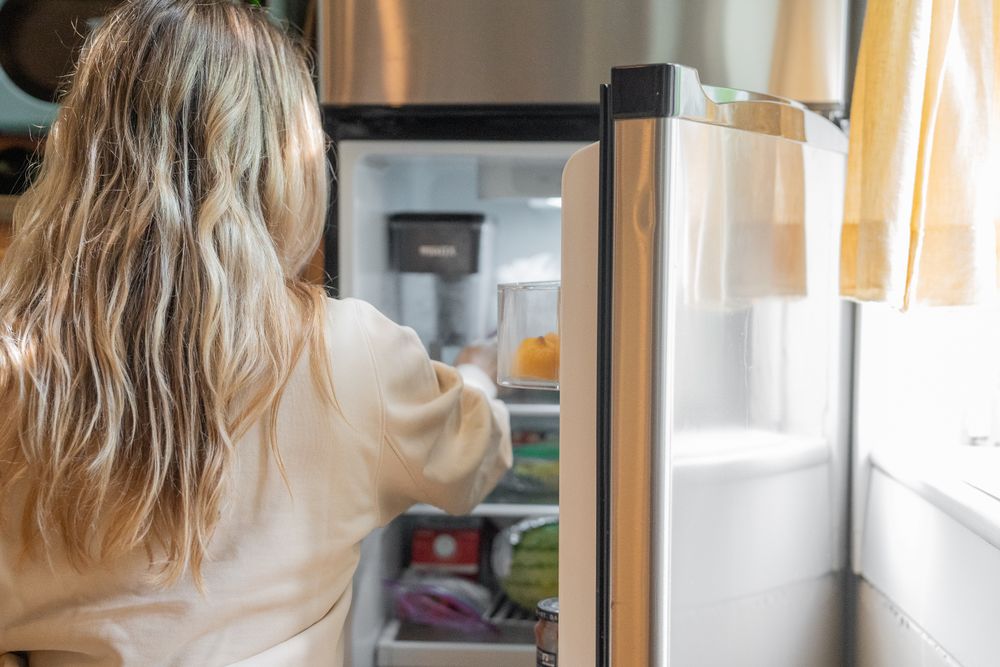
Packaging Hacks to Block Out Moisture and Air
The materials you use to wrap your ingredients can dramatically change how long they stay preserved.
Unwashed vegetables can be wrapped in paper towels and placed in plastic bags to regulate moisture. As for meats, wiping away excess blood and portioning them out into single-serving airtight containers will minimize air contact and maintain freshness.
Leafy greens like spinach and perilla leaves get soggy if there's too much moisture, and brittle if there's too little. The trick is to wrap them unwashed in paper towels, place them in a zipper bag, and store them with the seal partially open for airflow or with the air gently pressed out. For meat, since blood is a primary breeding ground for bacteria, you should thoroughly dab it dry with paper towels, wrap it tightly in plastic wrap, or store it in an airtight container placed deep in the back of the fridge or freezer to prevent spoilage.
Fixing Easy-to-Miss Storage Habits
There are a few sneaky habits we often fall into that quietly ruin the condition of our groceries.
Plugging a hot pot of food straight into the fridge spikes the internal temperature, which can cause other foods to spoil. Also, mixing ethylene-producing fruits with other vegetables will cause nearby produce to ripen and rot in no time.
When storing cooked food, always let it cool completely before sealing it in a container to prevent condensation and bacterial growth. Furthermore, apples, bananas, and tomatoes release large amounts of ethylene gas, a plant hormone that accelerates ripening. If you leave them next to leafy greens, your veggies will turn yellow and wilt fast. Fruits should always be stored in a separate drawer or sealed container to keep them from affecting other ingredients.
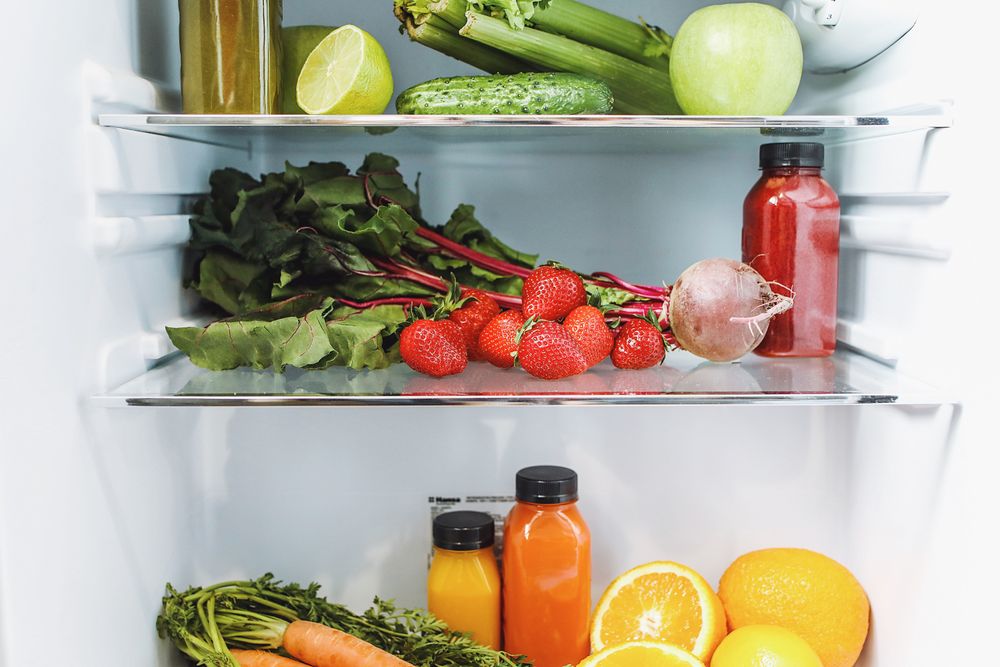
Quick Prepping Right After Grocery Shopping
Doing a little bit of prep work right after you bring your groceries home will save you a ton of hassle when it's time to cook.
Brush the dirt off root vegetables and peel fruits that need to be prepped, storing them in airtight containers. A little extra effort upfront makes busy weeknight dinner prep feel like a breeze.
Aromatic veggies like green onions and garlic can be prepped by chopping them in advance and freezing them, or by placing a paper towel at the bottom of an airtight container to absorb moisture, keeping them crisp for over a week. For veggies like carrots and cucumbers, wash them thoroughly, dry them completely, wrap them in paper towels, and store them upright to prevent their skins from shriveling.
Organizing for Maximum Visibility
Simply organizing your fridge with clear containers and noting expiration dates can stop you from losing track of ingredients and encourage efficient consumption. Keep go-to sauces and side dishes up front, and make a habit of placing items nearing their expiration date on the top shelf where you can easily spot them.
Using opaque containers makes it hard to see what's inside, often leading to forgotten food waste. Transparent airtight containers are a practical solution to cut down on waste because you can see everything at a glance. Additionally, using labeling tape or masking tape to jot down purchase dates and use-by dates will speed up your fridge's inventory turnover and prevent accidental duplicate purchases.