Mastering Airport Security: How to Breeze Through Checkpoints Like a Pro
Airport Security: Can Better Packing Really Cut Your Wait Time in Half?
Many travelers view airport security as a game of luck—a chaotic queue you just have to endure. But if you watch closely, it’s clear that most delays are caused by “baggage fumbling.” Security checkpoints are highly efficient systems, but they only work if you follow the flow. Much of that congestion is self-inflicted. Digging through pockets at the last second or frantically hunting for a laptop at the bottom of your bag doesn't just waste your time—it slows down the entire line. Efficient packing isn’t just about convenience; it’s a strategy to minimize the security agent's workload, which in turn moves you through the process as quickly as possible.
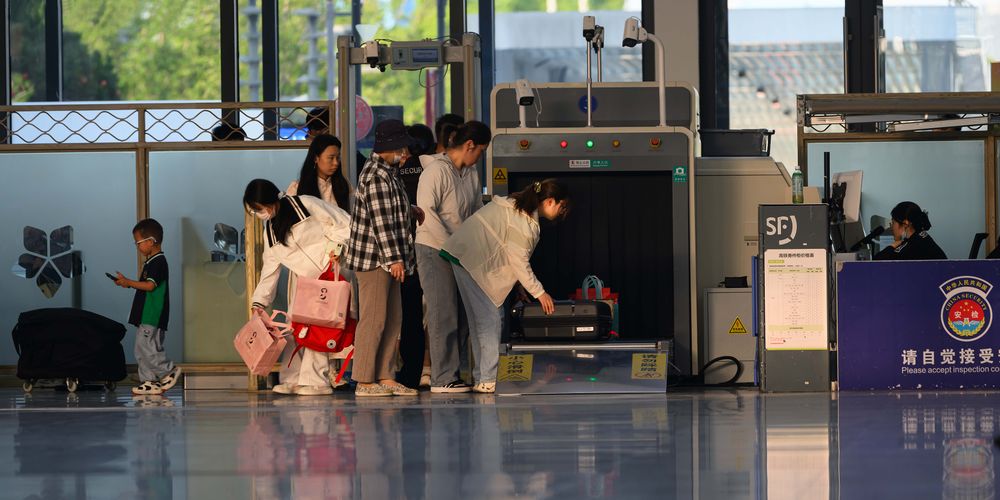
Liquids and Electronics: The Art of the Bin
The secret to speed is separation. Don’t bury your laptop or tablet in the depths of your bag; keep them somewhere you can grab them in an instant. Avoiding the “dump everything out” moment at the front of the line is the key to keeping the queue moving. Build a system where your electronics are always at the top of your bag or inside an easily accessible pouch.
Also, keep in mind that liquid rules vary by route, so check them before you head to the airport:
- International Flights: You must keep liquids in containers of 100ml or less, packed into a single, transparent, quart-sized resealable bag. The bag must be fully closed and placed separately in a bin—don't hide it inside your carry-on! Failure to do this almost guarantees a secondary search.
- Domestic Flights: Restrictions are generally more relaxed, allowing for larger bottles of water or beverages. However, if a security agent needs to inspect a large container, it’s much faster if it’s in a clear bottle so they can see the contents immediately.
When loading your bins, put your electronics and liquid bags at the very end. This ensures they are the first things you retrieve on the other side. Conversely, if you bury your electronics under a heavy jacket or bulky items, they will likely overlap on the X-ray screen, creating a “clutter” that forces the agent to flag your bag for a manual re-scan.
Avoiding the Metal Detector 'Bleep'
A stray coin or a belt with a heavy buckle can trigger an alarm in seconds. Instead of emptying your pockets in the panic of the checkpoint, dress smart from the start. Wear clothes with minimal metal hardware, and clear out your pockets—even receipts and scraps of paper can occasionally interfere with sensors.
A common mistake is forgetting about accessories. Chunky metallic jewelry, watches, and heavy belts are almost certain to set off the walk-through metal detector (WTMD). Also, skip the heavy boots with metal zippers; opt for slip-ons or lightweight sneakers to avoid being asked to remove your shoes. Remember: the simpler your outfit, the faster your exit.
Handling Medical Devices and Special Items
If you’re carrying prescription meds or medical equipment, be proactive. Don’t wait until you’re at the belt to start digging. Keep your prescriptions or doctor’s notes in an easy-to-reach folder. If you use an insulin pump or a pacemaker, inform the security agent *before* you step into the scanner to request a manual search and avoid potential device interference.
Finally, always keep your bins in sight as they pass through the X-ray. It’s easy for someone to accidentally grab your bag or bin in the confusion, so keep your eyes on your belongings until they are safely back in your hands.
The 'Re-Pack' Etiquette
Once you’ve cleared the scanner, don't stop at the exit to put on your belt or reorganize your laptop. The area immediately after the conveyor belt is a major bottleneck. Stopping there forces the 5-6 people behind you to wait for their gear while you finish up. Instead, grab your bins, move to a clear area away from the machines, and reorganize there. It’s a simple courtesy that keeps the terminal moving for everyone.
Pro-Tips for X-Ray Efficiency
The golden rule for the bins is: don’t overlap items. Laptops, tablets, and power banks should each have their own space. If they overlap with camera lenses or other metal objects, the X-ray image becomes cluttered, which often leads to an automatic “re-scan” request. The fewer times an agent has to say, “Let’s send that through again,” the faster you get through. Also, try to consolidate your belongings into fewer bins. The speed difference between a traveler using four bins and one using two is massive. Optimizing your bin usage can shave precious minutes off your checkpoint time.
A little bit of preparation at the checkpoint goes a long way. Start treating your security transit like a pro, and you’ll find that even the busiest airports become a lot more manageable. Safe travels!