Don't Miss Out: Your Guide to Maximizing Private Health Insurance Claims in Korea
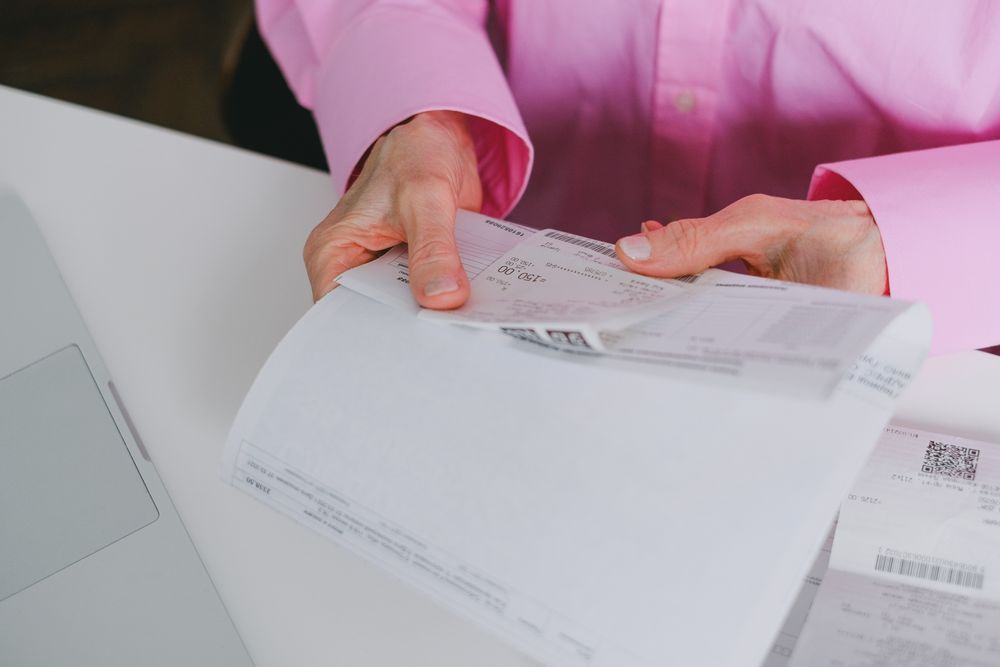
Private health insurance (often called 'Silson insurance' in Korea) is something many of us sign up for, yet too often, we fail to use it when we actually need it. Every year, a significant amount of potential insurance payouts go unclaimed and expire. This usually boils down to the hassle of preparing documents or a lack of clear information about what's covered.
To truly get your money's worth from your premiums, it's smart to get into the habit of understanding the specifics of your policy based on when you joined and knowing exactly which documents you'll need for claims.
Understanding Your Silson Insurance: Coverage Generations and Deductibles
Silson insurance policies are broadly categorized into 1st to 5th generations, based on their subscription period. Knowing your policy's generation is key to estimating your potential out-of-pocket expenses. Keep in mind that the exact details for each generation can vary by insurer and product, so always refer to your specific policy terms and conditions for precise information.
- 1st Generation (~September 2009): These policies typically had very low or almost no deductibles, offering substantial benefits. However, be aware that premium increases upon renewal can be significant.
- 2nd Generation (October 2009 ~ March 2017): This period saw a standardization of policies, with deductibles usually ranging from 10-20% for both standard (급여) and non-standard (비급여) items.
- 3rd Generation (April 2017 ~ June 2021): Policies were split into a basic plan and special riders for treatments like manual therapy (도수치료) or non-standard injections. Deductibles for these special rider items were adjusted to approximately 20-30%.
- 4th Generation (July 2021 ~ May 2026): While premiums were relatively lower, the out-of-pocket ratio for non-standard treatments is higher, typically 30%. A notable feature is the premium increase mechanism: your premiums can go up by as much as 300% in the following year based on your usage of non-standard services. This can lead to a significant financial burden if you use these services frequently. As of May 6, 2026, new subscriptions to this generation have effectively ended.
- 5th Generation (After May 6, 2026): Premiums are approximately 30% lower than the 4th generation, but non-standard deductibles are even higher: 30% for severe conditions and 50% for non-severe conditions. A new feature is the inclusion of standard items related to pregnancy and childbirth.
Free Documents to Grab at the Hospital & Claiming Tips
Paying for a medical certificate (진단서) for every small claim might not be financially savvy. For most minor outpatient treatments, free documents are often sufficient.
When checking out at the hospital, simply ask for a 'prescription with a disease classification code' (질병분류코드가 기재된 처방전). This can often serve as a free alternative to a full medical certificate. Here are the core documents you should always collect for outpatient visits:
- Medical Receipt (진료비 영수증): Ensure it's the official hospital-issued receipt.
- Detailed Statement of Medical Expenses (진료비 세부내역서): This document breaks down covered and non-covered items in detail.
- Prescription & Pharmacy Receipt (처방전 및 약제비 영수증): Collect these from the pharmacy to claim medication costs.
Understanding Non-Standard Items and Special Treatment Coverage
Treatments like manual therapy (도수치료) and non-standard injections (비급여 주사제) often undergo stricter review by insurers. For manual therapy, there are usually annual limits on sessions and costs. For repeated treatments, having objective test results or a doctor's opinion letter can help ensure a smoother payout. Generally, nutritional IV drips for simple fatigue are not covered; you'll need to prove they were prescribed for a specific illness.
Dental and traditional Korean medicine (한의원) treatments can also be claimed if they fall under standard (급여) items. This includes things like cavity fillings (e.g., amalgam), wisdom tooth extractions, oral panoramic X-rays, or Chuna therapy at a Korean medicine clinic. However, non-standard treatments like implants or traditional herbal medicine (한약) are typically not covered, so be careful. For emergency room visits, coverage can vary depending on whether your symptoms were classified as an emergency, so it's always good to check beforehand.

Find Your Unclaimed Insurance Money from the Last 3 Years
You can typically file an insurance claim up to three years from the date of the incident. If you've missed past claims, you can view and print your medical history for up to 10 years using the National Health Insurance Service's 'The Health Insurance' ('The건강보험') or 'Health Insurance 24/7' ('건강보험25시') apps.
In recent years, fintech apps like Toss and Kakao Pay have made claiming even easier. You can import your hospital visit records directly into the app and complete the claim process right from your phone. Even better, starting November 28, 2025, services like 'Silson 24' from Toss and Naver will allow you to claim Silson insurance benefits without needing to install a separate app.
To minimize hassle, try to get into the habit of photographing your receipts and uploading them to your insurer's app immediately after a hospital visit. Alternatively, setting aside a specific day once a month to organize all your accumulated documents is also a great strategy. Don't let your rightful insurance benefits slip away – be diligent and give your household finances a boost!