How to Check if You're Eligible for Your National Health Check-up This Year & 5 Smart Booking Tips
Yearly National Health Check-up: Confirm Your Eligibility and Book Smart!
As the end of the year approaches, booking your national health check-up can become a challenge. If you've ever been unsure about your eligibility, now's the time to clarify. The National Health Insurance Service (NHIS) offers general health check-ups that are crucial for early detection and management of common yet significant chronic diseases like hypertension, diabetes, dyslipidemia, liver, and kidney conditions. These check-ups also play a vital role in identifying early signs of serious illnesses like cancer or screening high-risk individuals for further diagnostic tests, ultimately contributing to early detection and prevention.
Navigating the sometimes complex process of checking eligibility, booking an appointment, and preparing for the screening can seem daunting. But by breaking it down step-by-step, you can ensure you don't miss out on these invaluable health benefits.
Step 1: Verify Your Eligibility by Birth Year
Not everyone receives a national health check-up every year; eligibility is determined by specific criteria. Generally, it's based on whether your birth year is odd or even. Since this year is 2026 (an even year), individuals born in even-numbered years are eligible for the general health check-up. For example, those born in 1974, 1982, or 1990 are included.
However, for employees, the system differs: non-office workers are eligible annually, while office workers are eligible every two years. Your eligibility might vary depending on your employment type. Notably, office workers are eligible every year regardless of their birth year, so keep this in mind.
For self-employed individuals and dependents, the odd/even year rule applies. The most reliable way to confirm your status is to visit the NHIS website (www.nhis.or.kr) or use the 'The건강보험' mobile app. After logging in with your digital certificate (joint, financial, or simple authentication), navigate to the 'Check Health Check-up Eligibility' section. Within a few clicks, you'll know if you're eligible this year and which screening items are covered.
Step 2: Find a Certified Clinic and Book in Advance
Once you've confirmed your eligibility, it's time to choose a clinic and book your appointment. National health check-ups are only covered by NHIS at designated 'Medical Check-up Institutions.' You can easily find these by visiting the 'Health In' website (sis.nhis.or.kr/sd/si/sisd002.do) and using the 'Find Medical Check-up Institution' feature to search by your neighborhood or preferred area.
When selecting a clinic, consider not just proximity but also factors like cleanliness, the expertise of the medical staff, and their post-check-up follow-up system. Reading online reviews or asking for recommendations from friends can also be helpful.
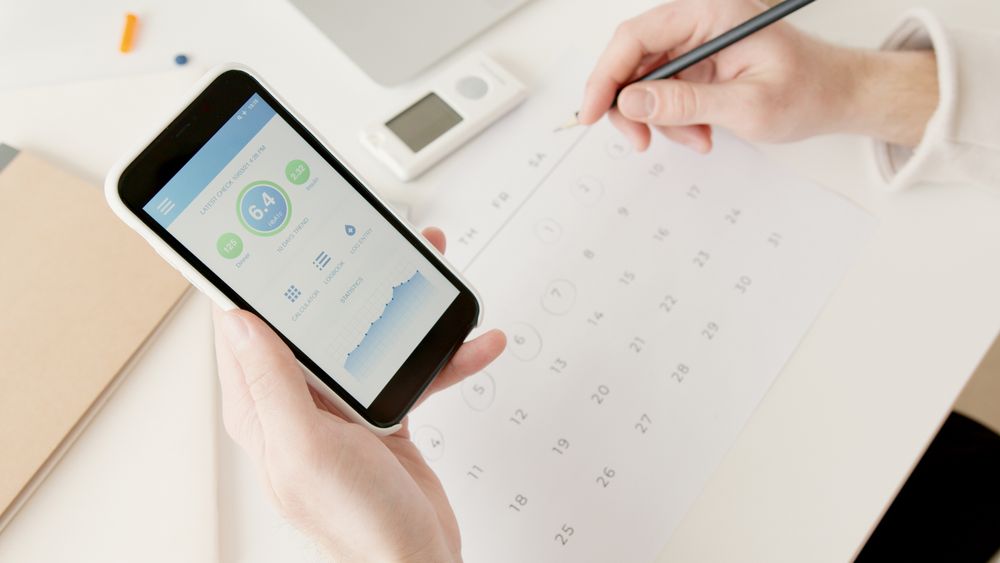
Here’s a crucial tip: the peak season for check-ups, especially in the fall (particularly after September), sees a massive surge in appointments. During this time, securing a slot on your desired date and time, or even at a specific clinic, can be extremely difficult. It's highly recommended to book well in advance, perhaps in the earlier part of the year (January-March) or during the summer (June-August), opting for weekday mornings if possible. This approach allows you to get your preferred appointment slot, reduce waiting times, and have a more thorough and relaxed examination.
Step 3: Meticulous Preparation for Accurate Results
There's much you can do before arriving at the clinic to streamline the process and, more importantly, ensure accurate results.
- Complete the Questionnaire: You'll likely receive a health questionnaire via mail or mobile. Filling it out thoroughly beforehand significantly reduces your waiting time at the clinic. The questionnaire covers your medical history, current conditions (e.g., hypertension, diabetes), medications, family history (cancer, diabetes), and lifestyle habits like smoking, drinking, and exercise. This information is vital for healthcare providers to understand your health status and risk factors, and to interpret your results accurately. Be honest and precise.
- Fasting Guidelines: For tests like blood work or upper endoscopy, fasting is essential from 9 PM the night before to ensure accuracy. Skipping meals and drinks (including water, coffee, milk, juice, gum, and smoking) on the morning of the check-up is crucial, as these can skew results for blood sugar, cholesterol, and liver function tests. NHIS advises fasting after 9 PM the previous night. Even if your appointment is in the afternoon, maintain at least an 8-hour fast. If you're on medication, consult the clinic beforehand about whether you can take it with a small amount of water.
- Medication Management: Always consult your doctor or the clinic about any medications you're currently taking. While some medications, like those for high blood pressure, may be safe to take with a little water, others, such as diabetes medication or blood thinners like aspirin, might require you to pause them depending on the tests. Never stop taking medication without professional guidance.
- Attire and Belongings: Wear comfortable and easy-to-move-in clothing on the day of your check-up. Remove any metal accessories (necklaces, earrings) or avoid clothing with metal buttons, as they can interfere with chest X-rays. For women, avoid using deodorant or powder on your breasts on the day of a mammogram, as these can appear as calcifications on the imaging.

Step 4: Understanding General and 6 Major Cancer Screenings
National health check-ups are broadly divided into 'General Health Check-ups' and 'National 6 Major Cancer Screenings.' The specific tests you're eligible for depend on your age, gender, and smoking history. Since July 2019, lung cancer screening has been included, bringing the total to six major cancers: stomach, colorectal, liver, breast, cervical, and lung cancer.
- General Health Check-up Key Items:
- Body Measurements: Height, weight, waist circumference, vision, hearing, and blood pressure checks.
- Blood Tests: Blood sugar (fasting), cholesterol (total, HDL, LDL, triglycerides), liver function (AST, ALT, gamma-GTP), kidney function (creatinine), and anemia (hemoglobin) levels.
- Urine Test: Checks for protein in the urine to detect kidney issues.
- Chest X-ray: Screens for tuberculosis and other chest conditions.
- Oral Examination: Checks the condition of your teeth and mouth.
- Health Risk Assessment: Analyzes lifestyle habits to predict disease risk.
- National 6 Major Cancer Screening Items (Eligibility by Age/Gender):
- Stomach Cancer: Men and women aged 40+ are eligible for a gastroendoscopy every two years (gastric Barium X-ray is an alternative). Stomach cancer has a high incidence rate in Korea, making early detection crucial.
- Colorectal Cancer: Men and women aged 50+ receive a fecal occult blood test annually. If positive, a colonoscopy is recommended.
- Liver Cancer: High-risk individuals aged 40+ (e.g., Hepatitis B or C carriers, liver cirrhosis patients) undergo liver ultrasound and blood tests (alpha-fetoprotein) every six months.
- Breast Cancer: Women aged 40+ are eligible for a mammogram every two years. Regular screening alongside self-examinations is vital.
- Cervical Cancer: Women aged 20+ receive a Pap smear every two years. Regular screening is recommended for all women who are sexually active, regardless of age.
- Lung Cancer: High-risk individuals aged 54-74 with a smoking history of 30+ pack-years are eligible for a low-dose chest CT scan every two years. This was added to the national cancer screening program in July 2019.
Additionally, based on your health risk assessment, you may be eligible for confirmatory tests for hypertension or diabetes, or lifestyle counseling. Be sure to confirm all the cancer screenings you qualify for to maximize your benefits.
Step 5: Develop the Habit of Not Postponing Your Check-up
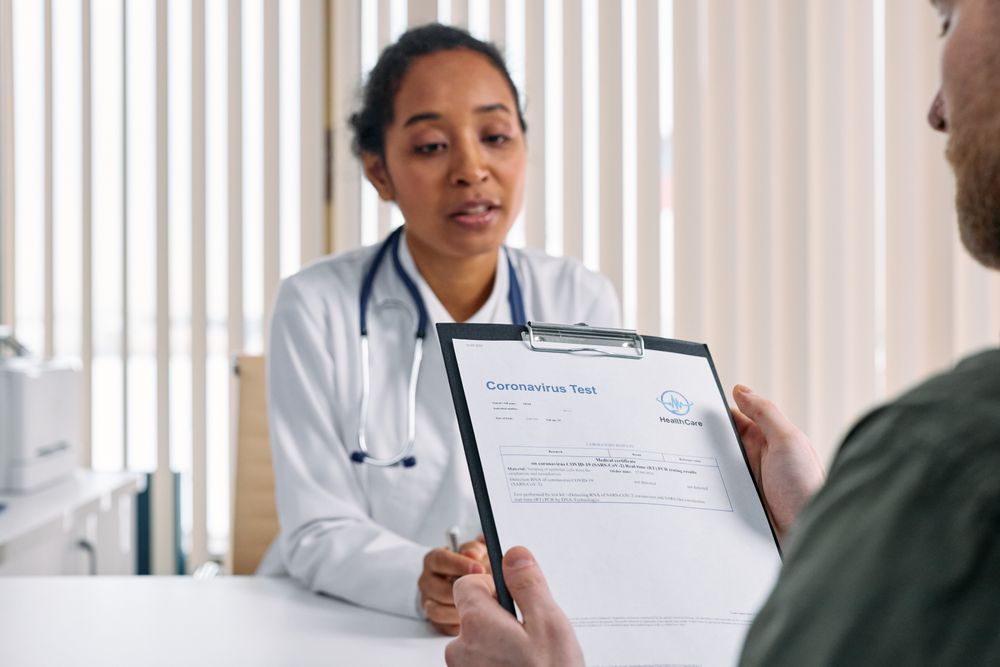
As November and December roll around, the demand for health check-ups skyrockets, making appointments nearly impossible to get and leading to long queues at clinics. Missing this window means potentially forfeiting your check-up for the year. Rushing an appointment can also lead to insufficient explanations or a less thorough examination. For instance, time constraints might limit doctor-patient consultation or result interpretation. There's also a tiny, albeit present, risk of errors in sample analysis due to the sheer volume of tests.
There's no rule stating you must have your check-up only at the end of the year based on your birth year. Scheduling your appointment for the earlier or middle parts of the year is a much wiser approach. This not only ensures you take good care of your health but also helps alleviate the burden on medical facilities, contributing to better healthcare services for everyone.
Step 6: Reviewing Your Results and Starting Your Health Management Journey
After completing your check-up, you'll typically receive your results within 15 days via mail, email, or mobile notification. The report details various health indicators like blood pressure, blood sugar, and cholesterol levels, usually categorized as 'Normal,' 'Borderline,' or 'Suspicious for Disease.'
- 'Normal' results indicate no significant issues at the moment, but maintaining healthy lifestyle habits is still crucial.
- 'Borderline' or 'Caution' results are a warning sign that while not yet a diagnosed disease, there's a high probability of developing one if lifestyle doesn't change. For example, a fasting blood sugar between 100-125 mg/dL indicates pre-diabetes, requiring proactive dietary changes and exercise. Elevated cholesterol levels suggest the need for a low-salt diet and aerobic exercise. Don't ignore these signals; consult a doctor to create a specific management plan.
- 'Suspicious for Disease' results mean you should visit a clinic immediately for further examination and a precise diagnosis, as the condition may already be progressing. Prompt action is essential.
National health check-ups are designed for 'detection.' Use your results not just as reference points but as a catalyst for understanding your health, improving your lifestyle, and seeking professional treatment when necessary. Consistent health management based on your check-up results is the first step toward a healthier life.
Why not open the NHIS app on your smartphone right now and check if you have a health check-up scheduled for this year? Protect your precious health, starting today!