Master Your Tax Return: A Strategic Guide to Maximizing Card Refunds
Ever wonder why some people get a nice tax refund at the start of the year while others end up paying more? The secret isn't just luck; it's mastering the 'golden ratio' of your credit card spending.
The 25% Rule: Your First Milestone
Before the tax office considers any deductions, they check if your annual spending has exceeded 25% of your total salary. You get zero tax deductions on card usage until you hit this threshold. Until then, stop worrying about deduction rates—focus instead on using credit cards that offer the best points or cashback to maximize your immediate benefits.
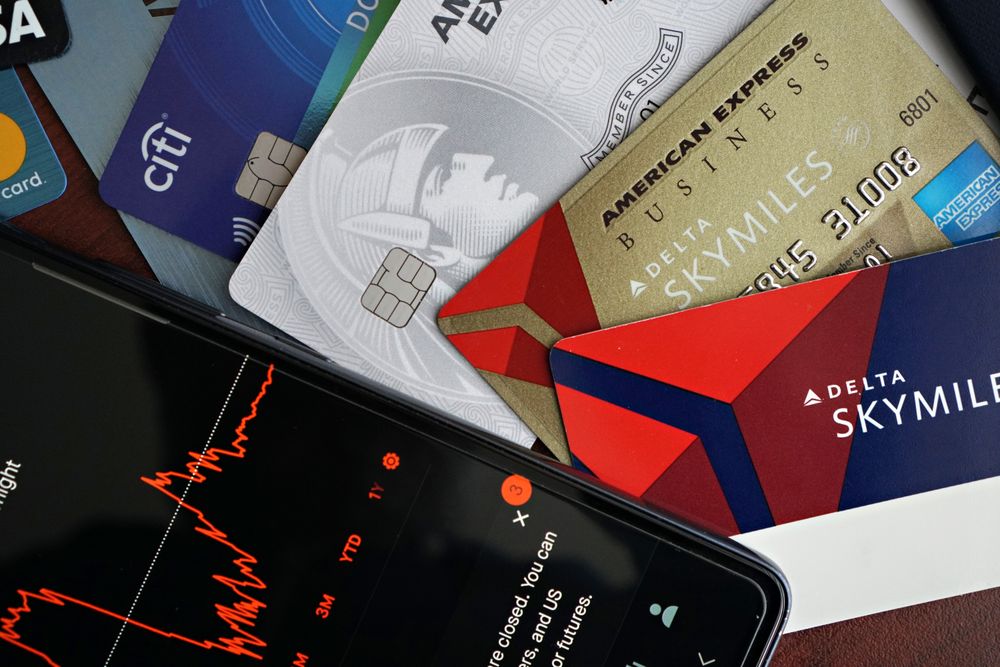
Using credit cards efficiently to rack up perks is the smartest play before you cross that 25% mark.
Switch to Debit Cards After 25%
Once your annual spending breaks the 25% barrier, it’s time to shift gears. From this point on, debit cards and cash receipts are your best friends because their deduction rate is twice as high as credit cards. While credit card spending only offers a 15% deduction, debit cards net you 30%. It’s time to swap your plastic and start using your debit card for daily purchases.
⚠️ Pro Tip: Carefully weigh the value of credit card reward points against the potential tax refund. Blindly sticking to only debit or only credit cards can lead to missing out on the optimal balance between immediate perks and long-term tax savings.
Know Your Deduction Limits
You can’t deduct an infinite amount—your tax deduction limit depends on your total annual income. Here are the benchmarks:
- Salary of 70 Million KRW or less: Basic deduction limit of 3 million KRW.
- Salary over 70 Million KRW: Salary over 70 Million KRW: Basic deduction limit of 2.5 million KRW (the old, lower 2 million KRW tier for salaries above 120 million KRW has been abolished, so 2.5 million KRW applies no matter how high your salary goes).
Currently, there are additional deduction limits for specific categories like traditional markets, public transit, and cultural expenses (books, performances, art galleries). Note that under the 2026 tax reform, changes are coming for the 2026 tax year (2027 filing). Preferential rates for public transit will be phased out, while cultural expense deductions will expand to cover everyone regardless of salary. Always check the latest NTS (National Tax Service) guidelines for the most accurate, up-to-date rules.
Dual-Income Households: Start with the Lower Earner
If you're in a dual-income household, coordination is key. Generally, it’s more efficient for the spouse with the lower income to hit the 25% threshold first, as the bar is lower and easier to clear. However, if there’s a significant gap in your tax brackets, it might be more beneficial for the higher-earning spouse to take the brunt of the spending to maximize total household tax savings.
Use the 'Tax Preview' Service
Starting in early November, use the 'Year-end Tax Settlement Preview' service on the Hometax website to see where you stand. If you’ve already hit your deduction limit, there’s no need to force yourself to use a debit card. Switch back to your credit cards for the remainder of the year to snag those extra lifestyle discounts.
Checking your mid-year data clarifies exactly how you should steer your spending for the rest of the year.
Go After the Bonus Categories
Traditional market spending currently gets a generous 40% deduction rate on top of your basic limit. While public transit also enjoys high rates now, be aware that starting in 2026, it will move to standard deduction rates. Cultural expenses are also set to become more inclusive. These niche categories are the keys to hidden tax savings, so stay alert for policy shifts and plan your spending accordingly.

Taking advantage of these specific deductions is the ultimate hack for lowering your tax burden.
Own Your Spending Flow
Your year-end tax settlement is essentially a report card of your financial habits over the past year. Instead of blindly cutting costs or sticking to one card type, learn to be agile. It’s time to re-evaluate the cards in your wallet and decide which ones should be leading the charge for the rest of the year.