Master Your Fridge: Pro Tips for Food Storage and Efficiency
Where you place your groceries in the fridge makes a massive difference in how long they stay fresh. The secret lies in understanding your fridge's temperature fluctuations and matching food items to their ideal zones. Shoving items into empty spots blocks cold air circulation, leading to premature spoilage. By being strategic about airflow and humidity, you can easily extend the life of your food from just a few days to over a week.
Decoding Your Fridge's Temperature Map
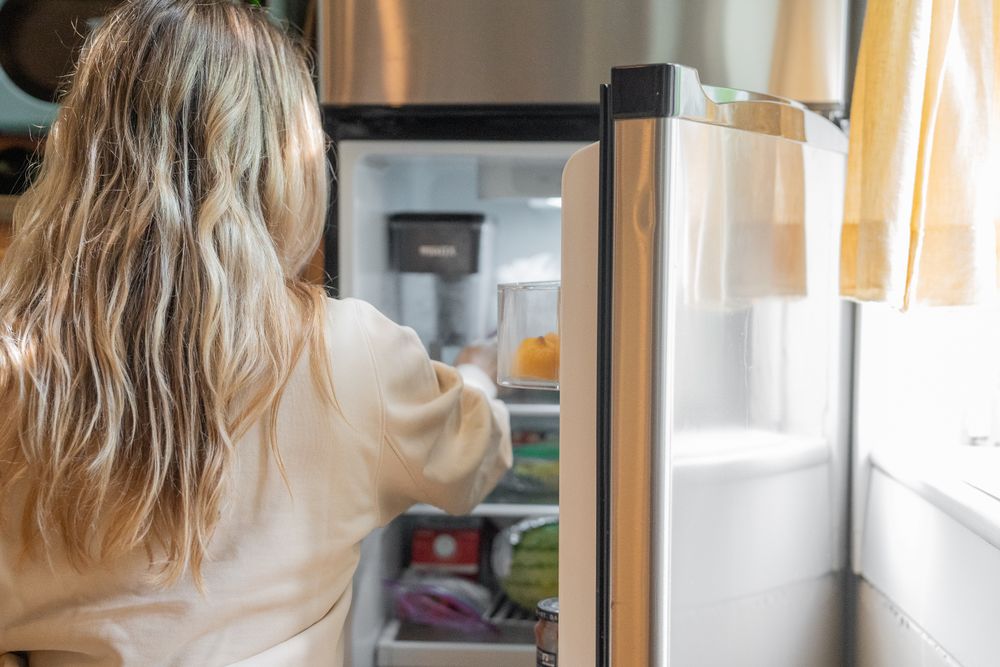
Due to frequent door openings and convection, your fridge isn't a uniform environment. The back is the coldest, while the door is the warmest due to external air exposure. Even if your fridge is set to 3°C, internal temperature can vary by 5°C or more. Use the door for stable items like condiments (jams, mayo) or drinks. Reserve the deep interior for perishable dairy like milk and yogurt. Since the top shelf is generally warmer than the bottom, save it for leftovers or ready-to-eat foods, and utilize the bottom drawer—the coldest and most stable spot—for fresh produce and raw proteins.
Optimizing Storage by Ingredient
Keep frequently used items on higher, accessible shelves for quick turnover. Temperature-sensitive items like eggs and dairy belong in the middle-back, where the cold is most constant. The bottom shelf is perfect for meat and fish; just make sure to store them in airtight containers to prevent cross-contamination from drips. For best results, pat meat dry with a paper towel and wrap it tightly in plastic to inhibit bacteria. And skip the egg rack on the door—the temperature swings and vibrations from opening the fridge can crack shells or spoil eggs faster. Keep them in their carton inside the main body of the fridge.
Produce Strategy: Avoiding the Ethylene Trap
Mixing fruits and veggies can backfire. Ethylene gas produced by apples, bananas, and tomatoes acts as a ripening catalyst that causes other vegetables to wilt and yellow prematurely. Separate your produce, and for leafy greens, wash them, dry them thoroughly, and store them on a bed of paper towels to prevent sogginess. Root vegetables with soil should stay unwashed and wrapped in newspaper or paper towels. Surprisingly, storing leafy greens upright mimics their natural growth position and keeps them crisp longer. For peppers or mushrooms, add a paper towel to the bottom of their container to wick away excess moisture.
Leveling Up with Smart Storage Containers
Ditch the plastic grocery bags! They clutter your fridge and ruin airflow. Switch to clear, square-shaped airtight containers; they maximize shelf space by up to 15% compared to round ones and make it easy to see what you have. Don't overfill containers—leave about 20% headspace for air circulation. Finally, label your items with dates to avoid that "mystery container" syndrome at the back of the shelf.
Common Mistakes That Sabotage Your Fridge
Don't leave hot food sitting out to cool to room temperature! That's exactly the window where bacteria multiply fastest. Instead, divide it into shallow containers so it chills quickly and get it into the fridge within 2 hours of cooking (within 1 hour on a hot day above 90°F/32°C). Splitting it up is also what keeps one big hot pot from spiking your fridge's internal temperature. It spikes the internal temperature, which promotes bacteria growth and forces your fridge to work harder (increasing your electricity bill). Let food cool to room temperature first. Also, aim to keep your fridge about 70% full to allow for proper cold air circulation. If your food is pressed against the back wall, you're likely blocking the air vents. Lastly, keep those rubber door gaskets clean—if they aren't sealing properly, cold air will escape, and your fridge will lose its efficiency.
Freezer Management: The FIFO Rule
Unlike the fridge, your freezer stays colder when it's packed (about 80% full). However, don't let it become a graveyard for forgotten food. Practice the 'First-In, First-Out' method and label everything. Using a vacuum sealer or freezer bags helps prevent freezer burn and keeps flavors intact. For seafood, double-seal to prevent odors, and for aromatics like minced garlic or scallions, freeze them in thin, flat layers—that way, you can snap off exactly what you need for a recipe.
Small changes in how you store your food don't just keep your ingredients fresh; they save you money. Take a look inside your fridge today and reorganize. By understanding how to respect the cold and manage your space, you’ll cut down on waste and enjoy much higher-quality ingredients for your meals.