Energy Efficiency Ratings vs. Reality: How to Actually Slash Your Electricity Bill
We’ve all had that moment of dread when opening the monthly electricity bill. Whether it’s cranking the AC in the summer or running space heaters during the winter, a sudden, unexplained spike in energy costs is a headache no one needs.
Most of our power consumption comes from heavy hitters like refrigerators, air conditioners, and washing machines. While checking energy efficiency labels is a great starting point, the rating isn't the only factor that dictates your bottom line. Blindly chasing the highest rating isn't always the smartest financial move. Let’s dive into why, and explore practical, everyday strategies to actually lower your energy usage.
The Reality of Energy Ratings
Energy ratings represent a relative performance scale. While a 1st-grade vs. a 5th-grade appliance can show a 30-40% difference in efficiency, the actual cost savings depend on your usage habits. A top-tier appliance used carelessly can easily consume more power than a lower-rated model used efficiently.
If the price gap between a top-tier model and a mid-tier one is massive, consider your usage frequency. For seasonal appliances used only a month or two per year, a mid-range model is often more cost-effective. However, for 24/7 appliances like refrigerators, investing in the highest efficiency rating is a no-brainer for long-term savings. Don't just look at the sticker—look at your lifestyle.
Stopping the Standby Power Drain
Even when turned "off," many devices continue to sip electricity as long as they're plugged in. This is called standby power, and it can account for 6-10% of your total household electricity bill. Set-top boxes, audio systems, and even microwave displays are constant, invisible drains.
Using power strips with individual switches is one of the easiest ways to kill this waste. By cutting power to unused devices, you can shave about 5% off your electricity bill. Just make sure to use power strips with built-in surge protection to keep your home safe and prevent electrical overloads.
Habits That Maximize Efficiency
How you maintain your appliances is just as important as the model you buy. Here are a few simple tweaks to stop energy leaks:
| Appliance | Maintenance Tip |
|---|---|
| Refrigerator | Keep it under 70% full for airflow; keep 10cm from walls |
| AC | Clean filters regularly; use a quick blast of high power to cool |
| Washing Machine | Wash with cold water; stick to 80% capacity |
| Lighting | Switch to LEDs to slash power consumption |
A cramped fridge forces the motor to work harder to circulate cold air. Keep it at 70% capacity and ensure it has enough "breathing room" from the walls. For laundry, about 90% of a washer's energy goes toward heating the water—switching to cold cycles is a massive win for your wallet.
The Power of Inverter Technology
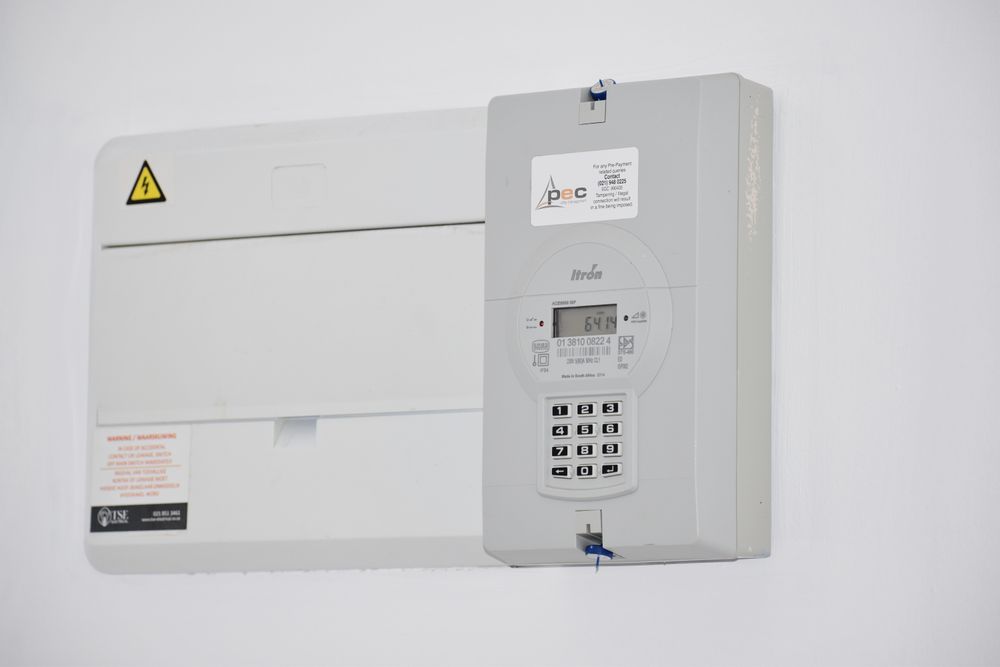
When buying AC units or fridges, look for "Inverter" technology. Non-inverter models simply turn on and off, wasting massive amounts of power during the startup cycle. Inverter models, however, adjust their speed to maintain the target temperature, saving significant energy over time. If you use the device frequently, choosing an inverter model is often more important than the energy label itself.
Smart Power Monitoring
Many modern homes now use smart energy meters to track real-time consumption via smartphone apps. By identifying your peak usage hours, you can shift heavy-duty tasks like laundry or drying to off-peak times, helping you avoid higher tier rates. It’s hard to save what you can't measure; seeing your real-time usage (e.g., "I'm currently using 1.5kW") is a much stronger motivator than a vague goal to save power.
When to Replace Old Appliances
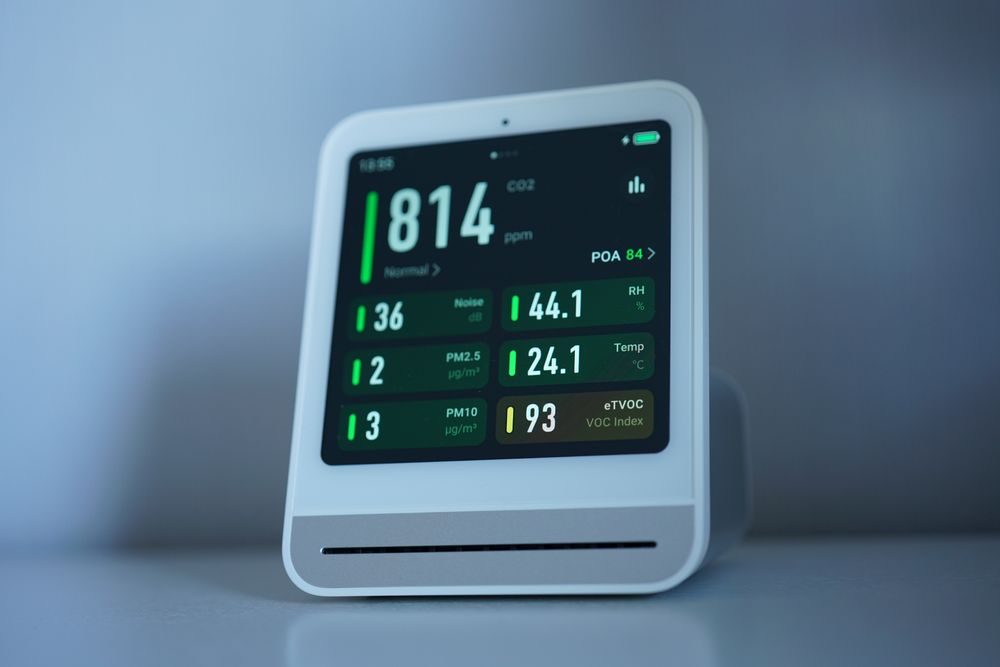
Appliances over 10 years old are likely efficiency traps. Old fridges, in particular, may have degraded compressors or worn-out door gaskets (the rubber seal), causing cold air to leak and the motor to run non-stop. Use the "business card test" on your fridge seal—if the card slides out easily, it's time to replace the gasket. If you're doing the math and find that a new, efficient appliance will pay for itself in energy savings within 5 years, it's a sound investment. If a total replacement isn't in the budget, start with the small stuff: unplug what you aren't using.