Slash Your Heating Bill: Expert Boiler Settings & Winter Maintenance Tips
Keep Your Hot Water Temp Around 40°C for Peak Efficiency
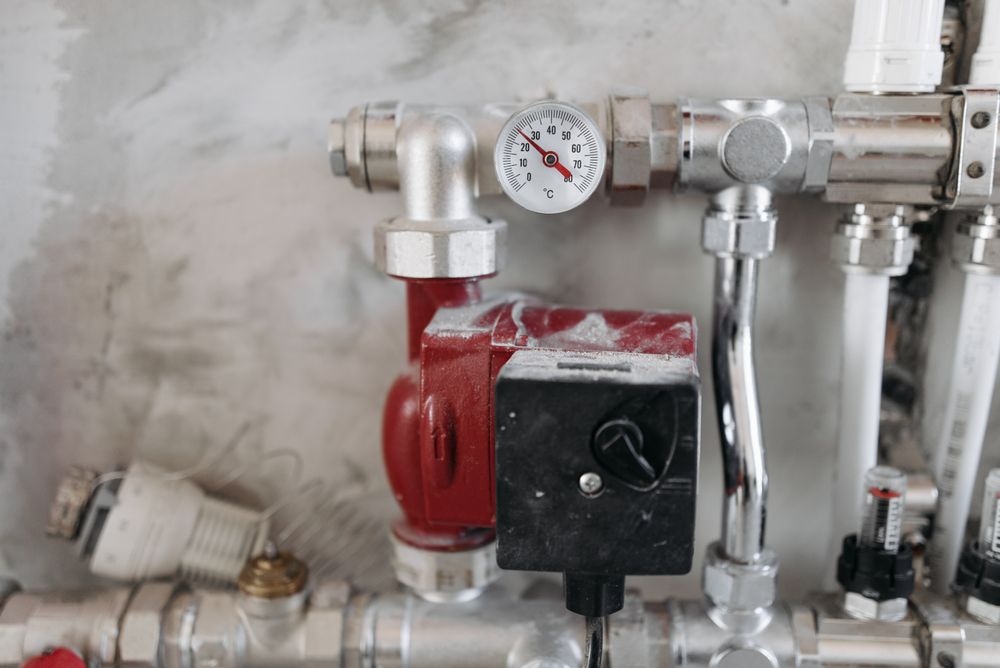
One of the biggest culprits behind skyrocketing gas bills is how we manage hot water. Many households set their boiler water temperature to 60°C or higher, only to dilute it with cold water later. This is incredibly inefficient. Boilers have to work significantly harder—consuming much more fuel—to heat water to those high temperatures. By keeping your boiler setting between 40°C and 45°C, you avoid unnecessary energy waste.
Lowering this setting not only saves on fuel, but it also reduces heat loss in your pipes while waiting for the water to reach the tap. Depending on your system and climate, shifting to a 'low' mode in the summer and a 'medium' mode in the winter can make a noticeable dent in your monthly costs. Boilers are far more sensitive to temperature settings than you might think, so adjust them as the seasons change.
Optimizing Efficiency Based on Your Heating System
Individual gas boilers and district heating systems operate differently, so one-size-fits-all advice doesn't apply. Here’s how to handle each:
- Individual Gas Boilers: For short outings (less than 8 hours), don't hit the 'away' mode. Instead, lower the temperature by 2–3 degrees. Reheating a cold home from scratch consumes far more energy than maintaining a baseline temperature. Only use 'away' mode if you are going to be gone for several days to prevent frozen pipes. (Note: Always check your manufacturer’s manual, as some systems vary.)
- District/Central Heating: Consistency is king. Since these systems often rely on flow meters, trying to play 'catch up' with the temperature can trigger massive usage spikes. Keep the system running at a steady, slightly lower temperature (1–2 degrees down) even when you're out. This avoids the surge in flow that drives up costs.
Maintenance Hacks: Bleeding Radiators and Pipe Care
If a room stays cold despite the heat being on, you likely have trapped air or sediment in your pipes. Bleeding your radiators (or air vents) is a quick fix to ensure hot water circulates properly. If it’s been over three years since your last professional pipe flush, it’s worth hiring a pro to remove sludge that’s choking your system.
Also, don't shut the valves in unused rooms completely. Leaving them slightly open prevents the water from stagnating and freezing, which can lead to pipe bursts. It’s better to balance the heat by keeping the main living areas open and keeping unused rooms at a trickle. Additionally, running a humidifier helps; higher humidity (40–60%) retains heat better, effectively making your home feel 2–3 degrees warmer without turning up the thermostat.
Furniture Placement and Strategic Ventilation
Your furniture arrangement matters. Avoid placing large pieces of furniture near windows or over heat vents, as this traps cold air or blocks warm airflow. Ensure at least 30cm of clearance around radiators or vents. When it comes to ventilation, keep it brief—10 minutes of cross-ventilation during the warmest part of the day is sufficient. Leaving windows open too long cools down your walls, requiring massive energy to bring the room back to a comfortable temperature.
Seal the Leaks: Keep the Warmth Inside
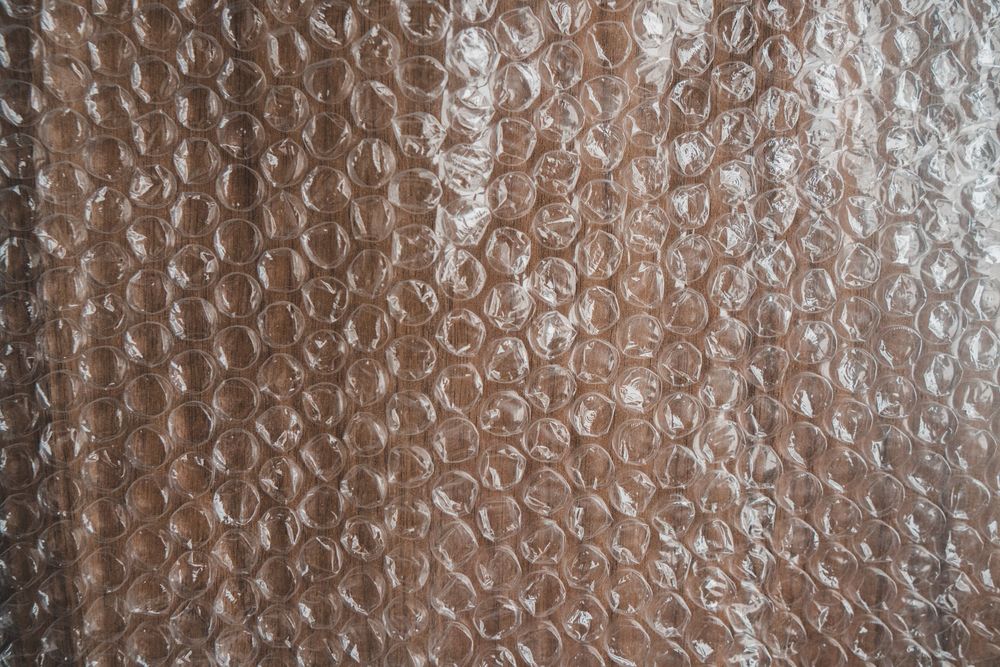
Even the most efficient boiler won't help if your home is leaking heat. Applying bubble wrap to windows acts as a DIY insulation layer, and weatherstripping your door and window frames can boost your indoor temperature by 2–3 degrees. Don’t forget the bottom of your front door—a draft stopper or simple adhesive seal can make a world of difference in preventing cold air infiltration. These are small, inexpensive fixes that yield immediate results. Why not head to your thermostat and check those settings right now?