The Runner’s Guide: How to Pick the Perfect Shoe for the Long Haul
Understand Your Feet
Before you head out for a run, have you ever stopped to consider if your shoes are actually right for your feet? It’s easy to think that if the size fits, you’re good to go. But running puts several times your body weight on your ankles and knees with every single step. Ignoring your foot’s unique characteristics is a one-way ticket to injury. Understanding your foot shape is the fundamental first step of your running journey.
The easiest way to learn about your feet is to check the soles of your old running shoes. If they show even wear from the outer heel to the big toe, you have a neutral landing. If the inner side is excessively worn, you likely have 'overpronation' (your ankle rolls inward). If the wear is mostly on the outer edge, it's likely 'supination' (your ankle rolls outward). Knowing this puts you halfway to finding the perfect pair. If you can’t tell just by looking, try the 'Wet Test': step on a piece of paper with a wet foot to see your arch profile. A lower arch often correlates with overpronation.
Cushioning vs. Stability: What’s the Difference?
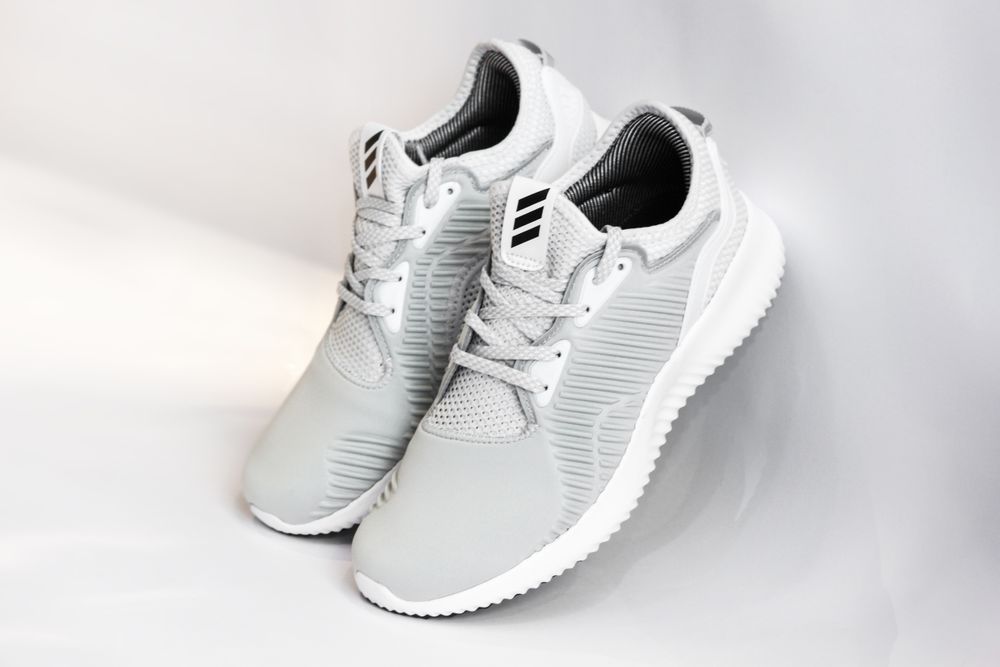
There are countless options out there, but they generally fall into two buckets: Cushioning and Stability. Cushioning shoes use soft materials to absorb impact throughout the foot, making them perfect for those with natural ankle movement. Stability shoes, on the other hand, feature a firmer support structure (a post) that prevents the ankle from rolling inward, which is a game-changer for those with low arches or flat feet. Recently, many 'neutral stability' models have hit the market, bridging the gap between the two.
Common Mistake: Many beginners assume that the 'softest, squishiest' shoe is always the best. However, if you have unstable ankles, excessively soft shoes can actually make your ankles roll more easily. Check your arch type and ankle mechanics first. Also, if you’re a heavier runner, opt for a midsole with a bit more density to reduce foot fatigue over long distances.
Why Carbon Plates Should Wait
Carbon-plated shoes are all the rage right now, offering an incredible energy return that makes you feel like you’re being launched forward. But for beginners who haven't built up the necessary strength, they can be a liability. The excessive bounce places extra stress on your calves and Achilles tendons, leading to a high risk of injury if your muscles aren't conditioned for it. Start with a solid, supportive daily trainer to build your foundation. Relying on carbon shoes too early can even hinder the development of the 'running muscles' you need to build in the first place.
Width Matters More Than You Think
Many people assume if the length is right, the fit is right—but if the width is off, you're inviting friction and blisters. Your toes need room to splay naturally. If you have wider feet, don't force yourself into a standard fit; this stretches the upper material and destroys the shoe's structural support. Look for brands that offer specific 'Wide (2E)' options to get the support and comfort you actually need.
The In-Store Fitting Checklist
Skip the online guesswork and visit a store. Go in the afternoon when your feet are slightly swollen from the day. Wear your actual running socks and aim for about 1cm of space in front of your big toe; a shoe that's too tight will lead to painful toenails. Watch out for lacing too tightly over the instep, which can restrict blood flow and cause numbness on long runs. Spend at least 5 minutes walking or jogging around the store to ensure your heel isn't slipping and the fit feels secure.
When to Retire Your Shoes
Most running shoes have a lifespan of 600–800km. Even if they look clean, the midsole foam eventually loses its 'rebound' and stops absorbing shock effectively.
- Road Running: ~600–800km
- Heavier Runners/Trail Running: ~400–600km
- Treadmill/Track: Up to 900km
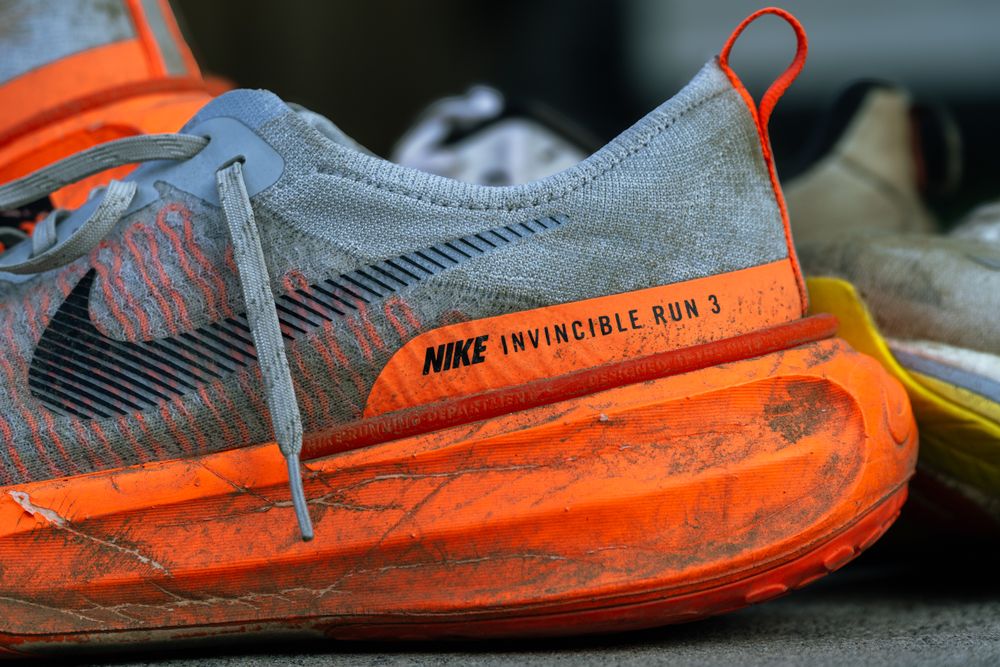
If your shoes tilt to one side when set on a flat surface, or if the midsole feels dead when you press it with your thumb, it’s time for an upgrade. If your knees or shins start feeling unusually sore, your shoes are likely telling you it's time to retire. Even if you haven't hit the mileage, EVA foam breaks down over time—if your shoes are over two years old, their performance has likely faded.
You don't need the most expensive gear to be a runner. A solid pair of shoes that fits your feet and some moisture-wicking socks are all you really need. Treat your shoes as the essential tools they are. Tonight, flip your shoes over and check those soles—they’re already telling you how you run. Tracking your mileage is the best way to stay injury-free and keep hitting the pavement for years to come.