Boost Your Browsing: How to Fix Slow Chrome & Edge Performance
Ever notice your computer lagging even when you aren't running anything intense? Often, the culprit is the web browser you use every single day. While Chrome and Edge are essential tools for research, streaming, and work, they are also notorious for being major memory (RAM) hogs.
With dozens of tabs open, your browser can easily gobble up gigabytes of RAM. In this guide, we’ll dive into why these browsers consume so much memory and walk you through practical, actionable steps to slim down your browser usage and get your computer running smoothly again.
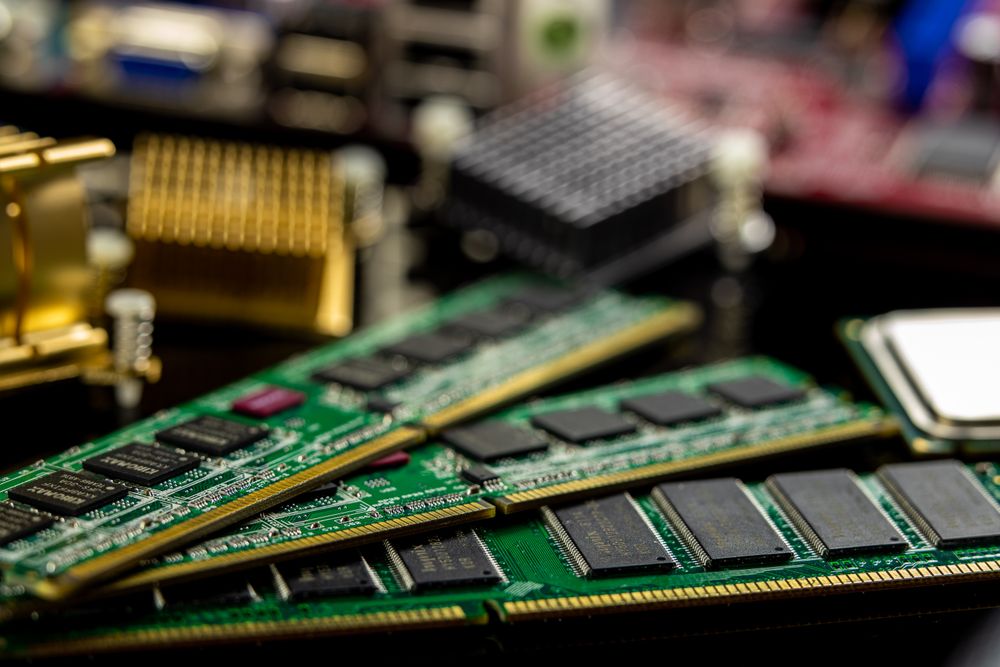
Why Browsers Are Memory Hogs
Both Chrome and Microsoft Edge are built on the 'Chromium' engine, which uses a 'multi-process' architecture to keep your browsing safe and fast. Essentially, every tab you open acts as an independent program. This is great for stability—if one tab crashes, the whole browser doesn't go down with it.
However, this security comes at a price. While a text-heavy news site might only take up about 100MB, media-rich sites with video or complex scripts can easily consume 500MB or more per tab. If you have 10+ tabs open on a machine with 8GB or 16GB of RAM, your browser is likely eating up most of your available memory. Once that runs out, your system starts using your hard drive or SSD as 'virtual memory,' which leads to significant slowdowns.
Use the Built-in Task Manager to Spot 'Memory Hogs'
Windows Task Manager often breaks browser processes into dozens of fragments, making it hard to identify the real problem. Instead, use the browser’s built-in Task Manager for a clearer picture.
With your browser open, press Shift + Esc (on Windows; for macOS, go to the three-dot menu -> 'More Tools' -> 'Task Manager'). You’ll see a real-time list of every open tab and extension along with their specific memory usage. Click the 'Memory' column to sort by usage, and you can instantly spot that one rogue tab or misbehaving extension. Just select the culprit and click 'End Process' to free up resources immediately.
Automate Optimization with 'Memory Saver' and 'Sleeping Tabs'
Don't want to close tabs manually? Let your browser do the heavy lifting with built-in power-saving features.
In Google Chrome, go to the three-dot menu, select Settings -> Performance, and enable 'Memory Saver.' This automatically frees up memory from inactive background tabs, which reload instantly as soon as you click back into them.
Edge offers a similar feature. Go to Settings -> System and performance to configure 'Sleeping tabs' and 'Efficiency mode.' This puts inactive tabs into 'sleep' mode to save power and RAM. If you need certain sites like email or messengers to stay active, you can easily add them to an 'Exceptions' list.
Disable Background Apps and Adjust Hardware Acceleration
Is your PC still sluggish even after closing the browser? It might be running in the background.
To stop this, go to Settings -> System in Chrome and turn off 'Continue running background apps when Google Chrome is closed.' Do the same in Edge. This ensures the browser truly shuts down when you close it.
You should also check your 'Hardware Acceleration' settings:
- High-end PCs with dedicated GPUs: Keep Hardware Acceleration ON. It offloads graphic rendering from your CPU, improving performance.
- Low-end PCs or integrated graphics: If you notice jittery scrolling or stuttering video, try turning it OFF, then restart your browser to see if things improve.
Clean Up Extensions and Cache
Ad-blockers, screen capture tools, and translators are handy, but they add up. Unused extensions running in the background can eat anywhere from 50MB to 150MB each.
Click the puzzle piece icon in your browser to manage your extensions. Remove the ones you don't use, or at least restrict them to 'On-click' activation only.
Also, don't forget your cache. Press Ctrl + Shift + Del and clear your 'Cached images and files.' Avoid clearing your cookies so you stay logged into your favorite sites, but clearing the cache helps reduce disk bottlenecks and speeds up page loading.
Maintain Good Browser Habits
Even with the best settings, old habits can drag your PC down. Instead of keeping a million tabs open, use your browser’s 'Reading List' or bookmarks folder to save pages for later.
Lastly, keep your browser updated. Chrome and Edge frequently push patches that fix memory leaks. And remember: a simple, weekly reboot of your computer is one of the best ways to clear out lingering junk and keep your system running at peak performance.