Why Does My Shower Water Suddenly Turn Cold? A Guide to Boiler Efficiency
Ever been in the middle of a relaxing shower, only to be blasted by a sudden wave of icy water? It’s not just a nuisance; in the winter, that cold shock can be a genuine health risk. But why does your boiler struggle to keep a steady temperature? Often, it’s not just an aging appliance—it’s a misunderstanding of how boilers work and how our daily water usage affects them. In this post, we’ll break down the root causes of temperature instability and offer practical, actionable steps to fix it.
Understanding Boiler Dynamics
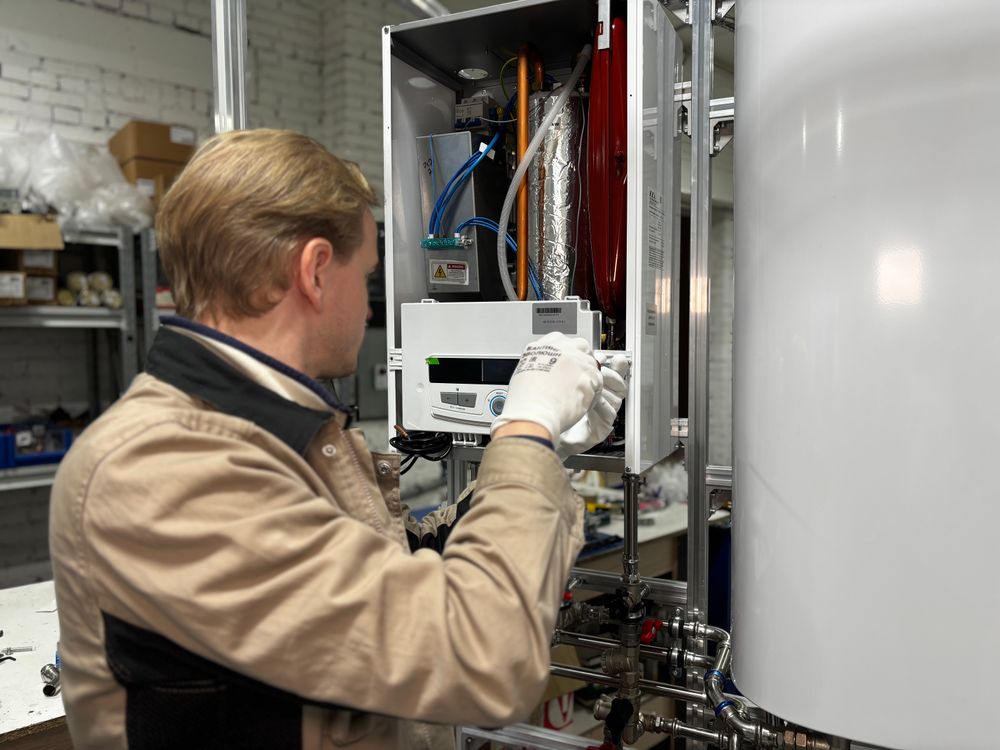
Most modern residential gas boilers are "instantaneous" systems. They heat water as it passes through a heat exchanger based on flow rate and temperature sensors. The key here is the minimum operating flow rate. If you mix too much cold water into your shower, the flow rate through the boiler drops. When the sensor detects this drop, it may temporarily stop combustion. It’s not a malfunction; it’s a built-in safety mechanism. If the system thinks there isn't enough water moving through it, it shuts down to prevent overheating.
If the flow is inconsistent, the boiler struggles to maintain steady heating. In apartments, pressure fluctuations (especially between high and low floors) can exacerbate this. If your flow is too low, the boiler will constantly cycle on and off—a phenomenon called "hunting"—leading to those annoying temperature swings.
The Secret to Stable Temperatures
Mixing cold water into the hot water stream is actually counterproductive. It confuses the boiler's sensor, causing it to reduce output. If someone else turns on a faucet or the washing machine starts, the flow drops further, and your hot water cuts out entirely. Also, a common misconception: setting your boiler to 60°C+ doesn't mean better performance. In fact, settings above 50°C can accelerate scale buildup in the heat exchanger, drastically reducing efficiency.
The Pro-Tip: Set your boiler to 40–45°C (ideal for residential use) and turn the shower handle fully toward hot, minimizing the need to mix in cold water. This allows the boiler to maintain a consistent output. Adjust seasonally: 42–45°C in winter and 38–40°C in summer for the best balance of comfort and gas savings.
Managing Heat Exchanger Scale
If your boiler is over 5 years old, scale buildup is likely the culprit. Calcium and magnesium crystallize inside the heat exchanger, creating a layer that acts as an insulator. Even just 1mm of scale can reduce thermal efficiency by over 10%. If the pipes near the boiler feel scorching hot but the shower remains lukewarm, your heat exchanger is likely clogged. Consider professional chemical cleaning to dissolve the scale—it can significantly reduce noise, improve water temperature, and lower gas bills.
Cleaning Valves and Aerators
Sometimes the issue is simple maintenance. If the inlet valve at the bottom of the boiler is restricted, you might not be hitting the minimum flow required. Adjust it carefully to find the sweet spot. More importantly, check the aerator (the mesh screen) at the end of your showerhead and faucet. These often trap sediment and debris, reducing flow and tricking your boiler into shutting off. Unscrew them and clean them with vinegar or a small brush—it’s a 10-minute fix that often restores full pressure and temperature stability.
Addressing Delay Times
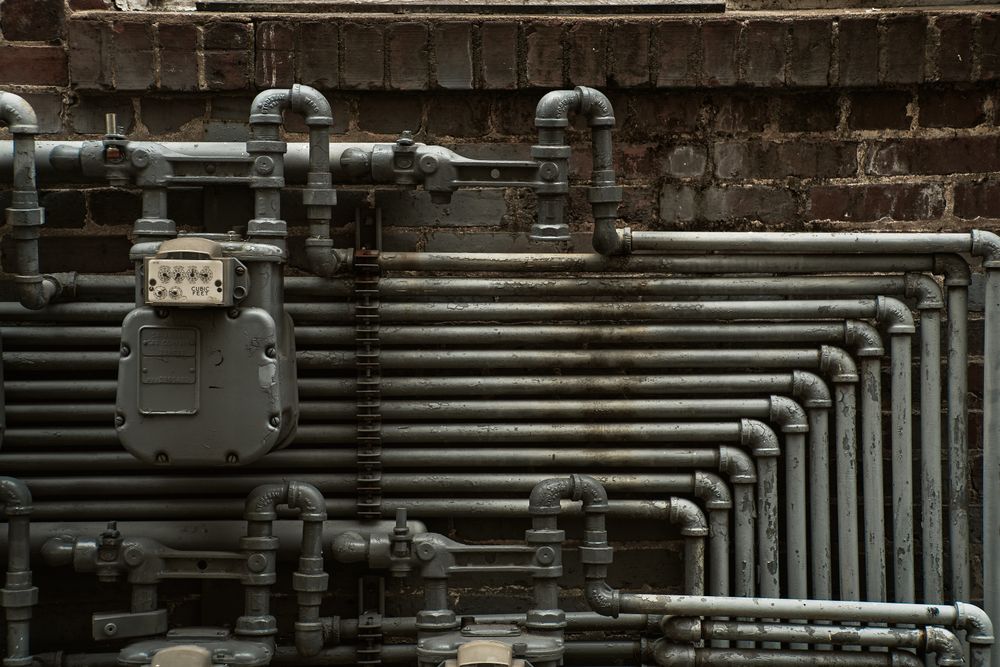
Waiting for hot water isn't usually a boiler issue; it’s a plumbing distance issue. The water already sitting in the pipes between your boiler and the shower must be cleared out first. Since you can't shorten your pipes, consider catching that initial cold water in a bucket for plant watering or cleaning. Also, if your pipes run through uninsulated areas like a cold balcony, wrap them in 10mm+ thick foam insulation. This simple step can keep the water 3–5 degrees warmer by the time it reaches your shower.
Final Efficiency Habits
Avoid running your boiler at max settings; it puts unnecessary strain on internal rubber seals and valves, which can lead to leaks. Use the "Away" mode instead of turning the unit off entirely to prevent frozen pipes during winter. By following these maintenance tips and adjusting your habits, you’ll extend the lifespan of your boiler, save money on energy bills, and ensure your next shower is perfectly comfortable.